Canada | Report: Mehboob Ali Shaikh
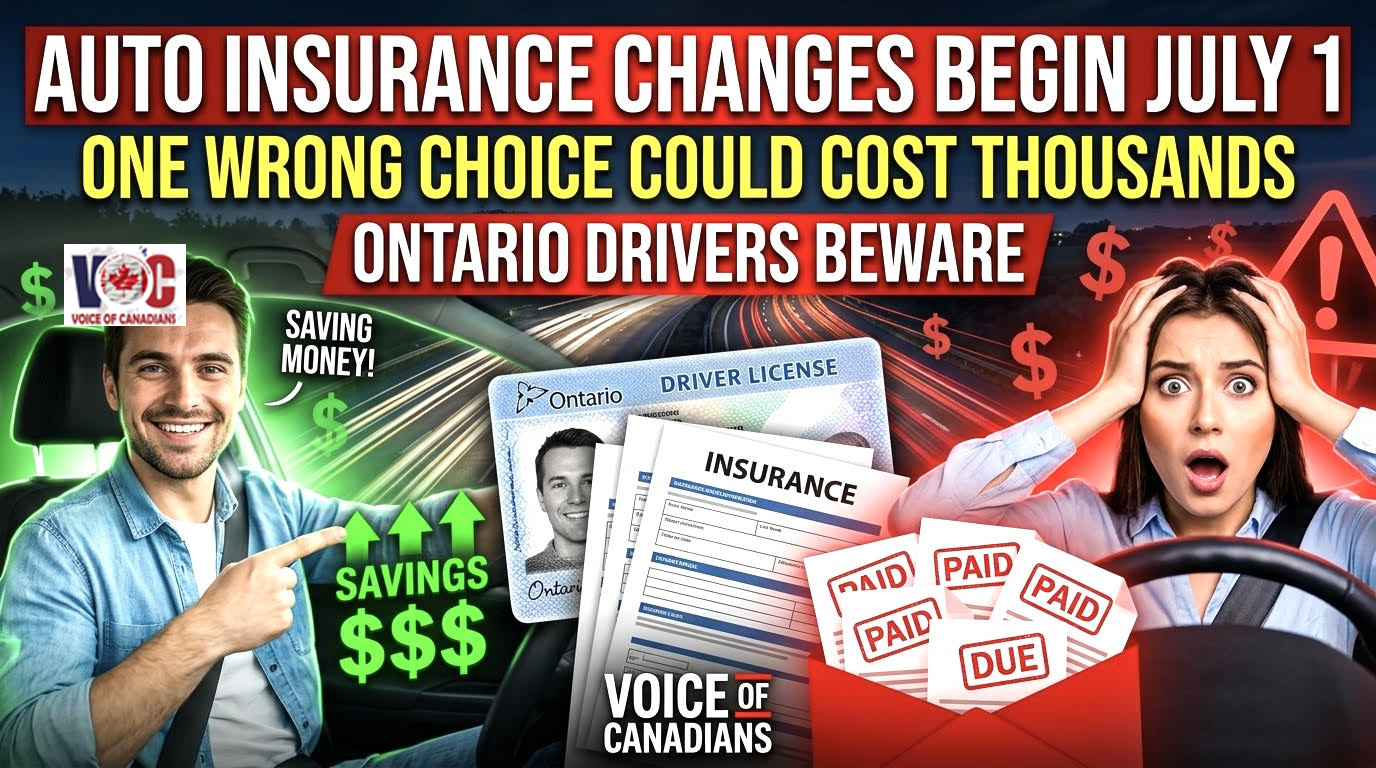
Major changes to Ontario’s auto insurance system will come into effect on July 1, 2026, potentially impacting the financial protection of millions of drivers, families, students, cyclists, and working individuals across the province.
The government says these reforms are designed to give consumers more flexibility and greater choice in selecting insurance coverage that suits their needs. However, insurance experts warn that saving a few dollars each month could lead to significant financial consequences after an accident.
What Is Changing?
Until now, several accident benefits were automatically included in Ontario auto insurance policies.
Beginning July 1, 2026, many of these benefits will become optional, meaning drivers will need to actively choose which protections they want to keep and which they wish to remove when renewing their policies.
Benefits Becoming Optional:
 Income Replacement Benefits Non-Earner Benefits Caregiver Benefits Housekeeping Benefits Visitor Expense Benefits Lost Educational Expenses Personal Property Loss Coverage Death Benefits Funeral Expense Benefits
Which Benefits Will Remain Mandatory?
According to the government, essential accident recovery support will continue to remain mandatory:
 Medical Benefits Rehabilitation Benefits Attendant Care Benefits
This means core medical treatment and recovery services following an accident will still be available.
Saving a Few Dollars… But at What Cost?
Insurance experts estimate that removing certain optional benefits could reduce premiums by approximately $10 per month, or around 5% on average.
But the bigger question is:
Will that small saving be worth it if an accident happens?
For example, if someone removes Income Replacement Coverage and later becomes unable to work because of injuries sustained in an accident, they could lose access to potential weekly income support.
What Does This Mean for Cyclists and Uninsured Individuals?
Previously, in certain situations, passengers, cyclists, and pedestrians injured in vehicle collisions could access No-Fault Benefits.
Under the updated system, some benefits may only be available if the person already has the appropriate insurance coverage.
Experts say this change could particularly affect people who do not own a vehicle or do not carry their own auto insurance policy.
Will Existing Policies Be Affected Immediately?
If your insurance policy renews before July 1, there will be no immediate change.
The new rules will apply only at your next renewal period.
Authorities have also indicated that in special circumstances—such as hospitalization, travel abroad, or exceptional situations—existing coverage may remain in place temporarily.
Expert Advice Before Renewing
Never sign renewal documents without reading them carefully Understand the advantages and risks of every optional coverage Don’t make decisions based only on lower premiums Speak with your insurance agent or broker before making changes Consider your family situation, income stability, and financial needs
Final Message
At first glance, this may seem like a routine insurance update.
In reality, it could directly affect your financial security and your family’s protection after an accident.
The few dollars saved today could either protect you from—or expose you to—thousands, and in some cases millions, of dollars in future losses.
Before renewing your policy, make informed decisions not rushed ones.
Because the right coverage isn’t just insurance — it’s financial protection.