Over the last five years, Organika has leveraged its Canadian identity – including the country’s strict regulatory and quality standards for health food products – to break into new international markets such as China and the United Kingdom.
But that strong Canadian reputation has been tested with its entrance into the United States market last year, a long-planned move marred by supply chain disruptions, tariffs and a rapidly escalating trade war.
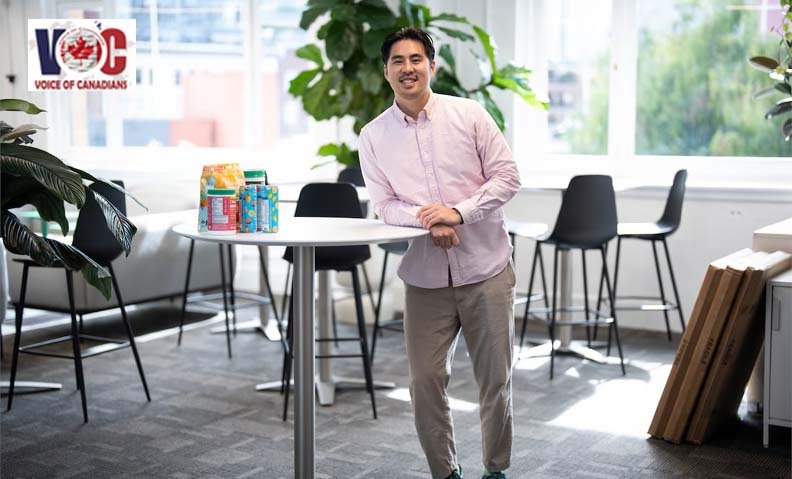
“It was probably the worst time in history to try and break into the U.S. market with all the tension,” says Aaron Chin, chief executive officer of the Vancouver-based natural health supplement company.
Founded in 1990 by Mr. Chin’s father, Thomas, Organika has grown into a major player in the supplements industry, with more than 300 products across 7,000 retailers in Canada, including Walmart, Costco and Healthy Planet.
Mr. Chin took over as CEO in 2019, leading the company through the pandemic and the steadily growing natural health products sector. Today, the company has around 100 employees; most are in Canada, with a handful working globally, and sells its products in more than a dozen countries, including Taiwan, Mexico, Vietnam, Spain and the United Arab Emirates.
Organika is among a host of Canadians companies that seem to be perpetually preparing for the worst when expanding into international markets.
The Canadian natural health products sector alone generated $13-billion in sales in 2025, a third of which were exports, according to a report from MNP and the Canadian Health Food Association (CHFA).
Organika manufactures its products in Canada and focuses on sourcing ingredients such as marine collagen domestically. However, some ingredients aren’t available in Canada’s climate, such as maca, imported from Peru, and turmeric and curcumin, imported from India.
“Most companies rely on some sort of international input – ingredients, packaging, even equipment for production of those finished goods,” says CHFA CEO Aaron Skelton. “Tariff exposure has caused people to consider the impacts throughout those different touch points.”
Adapting to that exposure can bring headaches, such as changing packaging, navigating a new regulatory field or updating a supplier or certification.
For example, Organika uses whey protein in several products. As a dairy byproduct, whey protein is currently entangled in retaliatory tariffs.
Organika is responding to the ongoing volatility by adopting a more resilient supply chain and business interruption planning. The company has been buying some raw materials six months in advance and carrying a year’s inventory rather than three months’ worth to ensure price certainty.
“This puts us in a position where we can navigate the current tariff war without being immediately impacted and also give us a runway while the current dynamic across Canada and the U.S. hopefully evolves for the better in the upcoming months,” says Mr. Chin. The company is also proactively filling specific warehouses ahead of any impending deadlines to account for supply chain delays.