In downtown Toronto, it doesn’t take long to find people with politics on their minds. I think everyone is pretty stressed about politics right now. It’s hard not to be,
said Tonya Facey when stopped by CBC News. Politics is a part of everyday life and there’s a lot going on, politically.
Jamie Haynes, visiting from St. John’s, said he too worries about politics.
Especially with the war on the go with Donald Trump and Canada — it’s quite concerning,
he said.
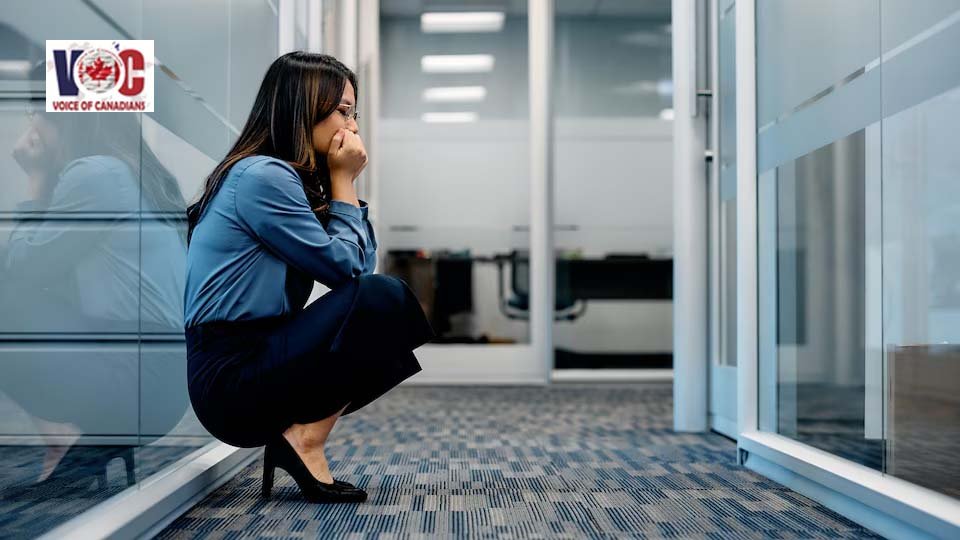
The trade war with the U.S., an Alberta referendum and Quebec election this fall, global conflicts: these are the kinds of political events that can trigger stress, researchers say. Political decisions that impact people’s daily lives, and political disagreements that cause conflict with others are also sources of worry.Political stress is now an entire field of study that gained traction in the U.S. around the 2016 presidential election. Here in Canada, political scientists, psychologists and mental health experts are also investigating the toll this form of stress can take on someone’s health.
There has been a lot of documented evidence, particularly over the past 10 years, in looking at things like loss of sleep, loss of appetite, negative emotions, periodic depression — these sorts of things that people can tie to things like a major election or maybe a particular conflict that’s happening in the world,
said Amanda Friesen, a Canada Research Chair in Political Psychology.
The professor of political science at Western University in London, Ont., launched the Body Politics Lab in 2022, where her team carries out studies investigating how people’s bodies and minds react to politics.One study gave 81 undergraduate students a ring-like device that measured their temperature, pulse and sweat level as they scrolled their TikTok accounts. Western University PhD student Samantha Jones said a key takeaway from the results was not so much the physical reactions to viewing political content, but the emotional ones.
They were more likely to report feeling negatively afterwards, compared to other types of content,
said Jones.
They were also more likely to engage with it — by sharing it and viewing the comments — and that informs the algorithm.
So despite this content making them feel negatively,
said Jones, they are inadvertently saying they want more.
Finding a healthy balance
Friesen said these kinds of studies are aimed at understanding what stresses people out when it comes to politics, and what that stress can mean for their health — and the health of democracy.
One of our projects right now is balancing democratic and personal health,
she said.
If something is shown to harm someone’s well-being, they’re usually advised to avoid it. But politics trickles into people’s everyday lives, and with social media and the 24/7 news cycle, it’s hard to avoid. Plus, people need to stay engaged in politics in order to have a thriving democracy, said Friesen.
Noah Vanderhoeven, one of the Body Politics researchers, said he thinks a balance between staying informed and maintaining healthy habits can be struck.
Some people even respond to the stress in ways that are good for democracy, he said.
These kinds of anxieties about politics in the world can also be addressed through political action and being involved and engaged as a citizen,
said Vanderhoeven.
He’s leading a study this fall tied to the Alberta referendum, which he said could be a stressful event for some.