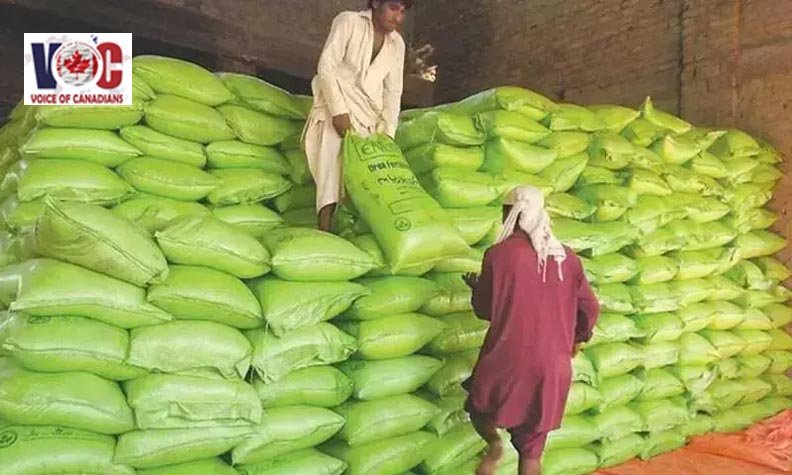
Pakistan’s fertiliser sector enters the closing months of 2026 on a cautiously optimistic note. The outlook for urea is somewhat stronger than that for phosphatic fertilisers. Domestic nitrogenous fertiliser demand has shown signs of recovery but persistent weakness in diammonium phosphate (DAP) offtake reflects mounting affordability constraints being faced by farmers.
According to the National Fertiliser Development Centre (NFDC), urea sales rose by 8.4pc during the Kharif season while DAP offtake declined by 25.4pc. The forthcoming Rabi season, particularly wheat sowing, is expected to support industry volumes. The Ministry of National Food Security and Research estimates urea demand at 3.596m tonnes and DAP requirements at 838,000 tonnes.
The sector’s principal strength is its substantial domestic manufacturing base, which offers some protection against international price volatility. Yet dependence on natural gas remains a structural risk. Winter gas load-management measures and uncertainty over liquefied natural gas (LNG) supplies could disrupt production at some plants and put pressure on inventories.
Elevated DAP prices, subdued farm economics and uncertainty over crop returns are also likely to restrain demand for imported phosphatic fertilisers. The government’s challenge is to ensure adequate supplies without imposing an excessive financial burden on growers.