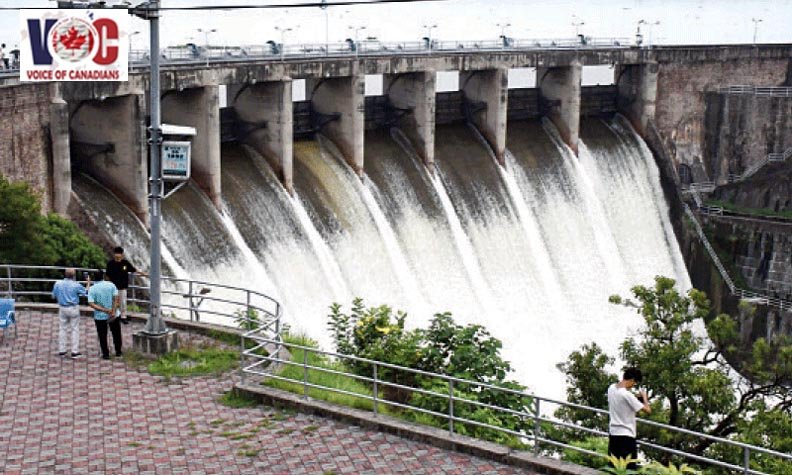
Pakistan has a remarkable ‘love affair’ with hydropower, one that has survived cost overruns, construction failures, prolonged shutdowns and the risks of building concrete behemoths in some of the world’s most hazardous terrain.
The latest disaster at the Tarbela-5 construction site raises a fundamental question: why does an investment model that promises cheap and clean electricity repeatedly deliver expensive, delayed and unreliable infrastructure vulnerable to climate-related hazards?
The scale of Pakistan’s hydropower commitment is mind-boggling. The Integrated Generation Capacity Expansion Plan (IGCEP) 2025–35 envisages approximately 11,000 MW of additional hydropower capacity, around 34pc of all planned additions, compared with 26pc for wind and solar combined. This means committing scarce public resources to decade-long investments in geographically fixed infrastructure, even as cheaper and adaptable renewables are available. With substantial capacity surpluses and growing questions about economic viability of new centralised generation, giving large hydropower a privileged position in energy planning makes no sense.
The latest Tarbela incident adds to an already extraordinary record of cost escalation and construction failures. The estimated cost of the 1,530 MW Tarbela-5 Extension has risen from Rs82 billion in 2016 to Rs317bn by 2025, following last year’s damage. The latest setback could push the total even higher, likely five to six times the original estimate. Last year’s damage was attributed to “unauthorised design changes,” and the latest damage, apparently caused by rock collapse, raises questions about geological assessment and construction management.