China’s automotive industry has set a record this year as vehicle exports have already surpassed last year’s total by August. As Chinese automakers expand into emerging markets to offset Western trade barriers and domestic overcapacity, Pakistan has become one of the clearest beneficiaries.
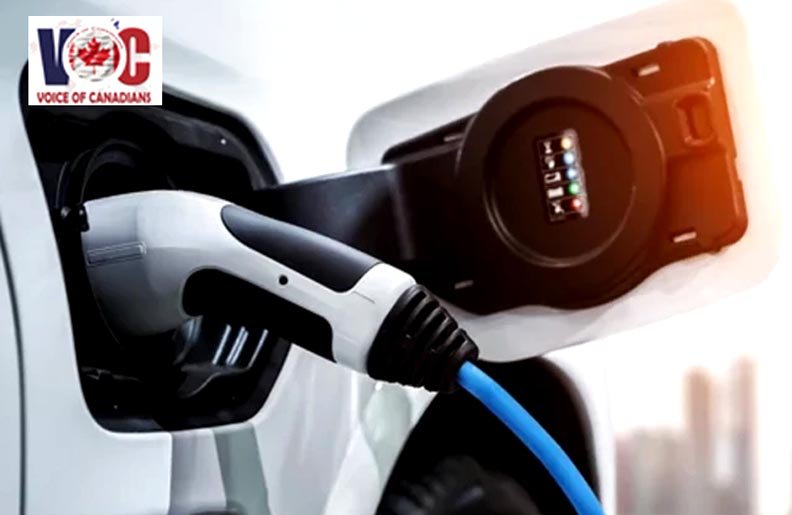
This global push is disrupting a decades-old Japanese auto oligopoly in Pakistan, aided by Islamabad’s New Energy Vehicle Policy (NEVP 2025-2030). As Chinese manufacturers expand into high-tech crossovers and electric vehicles, Pakistan stands at a pivotal crossroads: how to leverage Beijing’s manufacturing scale to slash its crippling fossil fuel import bill, while avoiding the substitution of one form of import dependence, ie foreign oil, with another: imported batteries, electronics and high-value automotive components.
The central question is, therefore, larger than whether Chinese EVs will displace Japanese cars. It is whether Pakistan can use Chinese technology and capital to move beyond low-value vehicle assembly towards genuine manufacturing, technology transfer, supplier development and eventually exports.
Global supply push
China’s total annualised vehicle exports have soared to 12 million units, anchored by 10 million passenger cars. Its new energy vehicle exports, battery electrics and plug-in hybrids combined, have reached an annualised 5.6 million units, eclipsing Japan’s historical peak export figures.