Health authorities have issued a warning over the potential rise in dengue cases as the monsoon season approaches, urging citizens and institutions to adopt preventive measures to curb the spread of the mosquito-borne disease.
In response to the growing risk, an intensified anti-dengue campaign has been launched across the Peshawar Division under the Dengue Action Plan 2026. The initiative aims to contain the virus through coordinated efforts by multiple departments following recent rainfall and ahead of the expected peak transmission period.
The strategy was reviewed during a high-level meeting involving senior administrative officials, health authorities, and representatives of municipal and sanitation bodies from various districts in the region. Discussions focused on the progress of ongoing measures such as field surveillance, sanitation drives, and public awareness campaigns.
Authorities emphasized a comprehensive approach involving environmental management, vector monitoring, rapid response mechanisms, and community participation. The plan is structured into three phases: a preparatory period earlier in the year, a peak transmission phase during the monsoon months, and a post-season phase focused on evaluation and control.
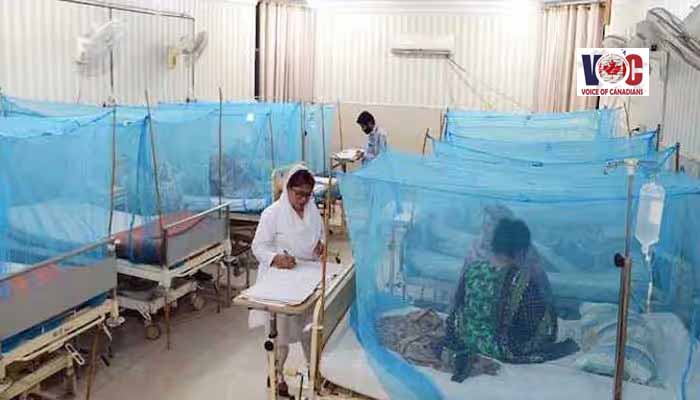
Preventive actions include daily monitoring of mosquito populations, targeted fumigation in high-risk areas, elimination of stagnant water, and strengthened hospital readiness to handle potential outbreaks. Historical data indicates that dengue cases typically rise between August and October, underscoring the importance of early intervention.
Officials have directed all relevant departments to accelerate preventive measures, particularly ensuring proper drainage of rainwater and timely anti-dengue spraying to limit breeding grounds. Public awareness campaigns, including door-to-door outreach supported by health experts, are also being expanded alongside media engagement.
Authorities have warned that any negligence in implementing these measures, including lapses in sanitation or surveillance, will be met with strict accountability. Emergency preparedness was also reviewed, with plans for rapid response systems, resource mobilization, and daily monitoring to ensure effective containment of the disease.
The coordinated effort reflects a renewed focus on minimizing health risks and safeguarding communities during the high-risk season.