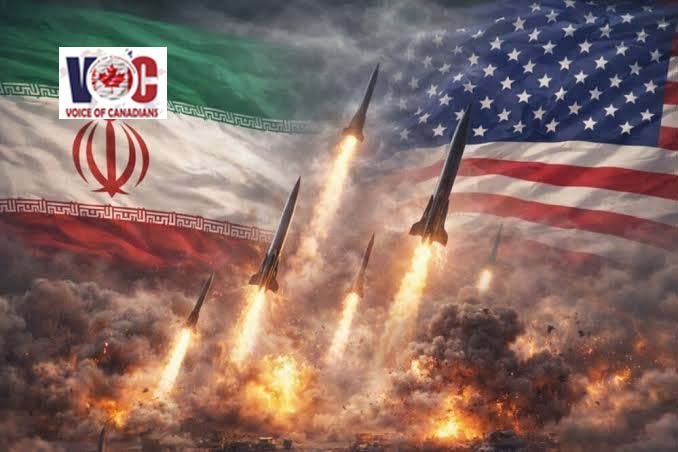

Tensions surrounding the Middle East appear to have eased slightly as the United States shows signs of stepping back from an aggressive posture that had risked further escalation. Recent developments suggest a shift away from a strategy that had expanded the scope of potential targets to include critical infrastructure and civilian facilities, raising fears of a broader and more destructive conflict.
Iran’s measured but consistent retaliatory responses seem to have played a role in shaping this recalibration. Ongoing exchanges had heightened concerns that continued attacks on key energy assets could provoke wider disruptions, potentially affecting regional stability and global supply chains, with serious economic consequences worldwide.
There are indications that a more cautious approach is now being considered, reflecting growing awareness of the risks associated with prolonged confrontation. Diplomatic efforts by several regional countries have also contributed to maintaining limited channels of communication, helping to create space for possible de-escalation.
Financial markets have reacted positively to these developments, with some stabilization in oil prices and a modest recovery in investor sentiment. However, uncertainty remains high, and the situation continues to evolve in an unpredictable environment.
Analysts note that recent conciliatory signals may be aimed as much at calming economic concerns as at indicating a firm policy shift. The possibility of sudden changes in direction cannot be ruled out, given the volatile nature of the crisis. Meanwhile, Iran appears to be maintaining its current stance, showing little inclination toward immediate negotiations.
Despite lingering tensions, even a temporary reduction in hostilities is being viewed as a significant development, suggesting that opportunities for avoiding a wider conflict, though limited, still exist.