Recent developments suggest that China is assuming a more active diplomatic role in addressing the issue of cross-border terrorism between Pakistan and Afghanistan. Following a series of deadly terrorist attacks inside Pakistan that were reportedly linked to elements operating from Afghan territory, Pakistan initiated Operation Ghazab lil-Haq last month. Since then, tensions have continued, and there has been little visible progress toward a negotiated resolution. However, if China’s engagement proves effective, it may help create a pathway toward stability while also addressing Pakistan’s legitimate concerns regarding the presence of militant groups, including the TTP, in Afghanistan.
Pakistan’s Foreign Office has confirmed that the prime minister and foreign minister recently discussed the Afghanistan situation in a telephone conversation with the Chinese foreign minister. Official statements have also indicated that dialogue on Afghanistan remains ongoing. At the same time, China’s ambassador in Kabul and its special envoy for Afghanistan have held meetings with the Afghan Taliban’s foreign minister. Beijing has indicated that its representatives have been engaging with both Pakistan and Afghanistan in an effort to reduce tensions and prevent the conflict from widening.
Pakistan has a clear right to defend itself against attacks and provocations originating across the border, particularly when the Afghan Taliban have not taken credible and verifiable action to stop such cross-border militant activity. Yet, despite the continuation of hostilities and Pakistan’s reported strikes against both militant camps and Afghan Taliban targets, it would be in Pakistan’s broader national interest to bring the military campaign to a close once firm assurances are obtained from Kabul. Such assurances must include meaningful action against armed groups based in Afghanistan that continue to threaten Pakistan’s security.
This issue becomes even more significant in light of the wider regional environment. With Pakistan already facing instability in its neighbourhood due to the broader crisis triggered by the US-Israeli war on Iran, the state must remain prepared for any further regional consequences. In this context, reducing tensions on the Afghan front would serve Pakistan’s strategic interests. Pakistan has already conveyed its position with clarity, and it is hoped that this message has been fully understood in Kabul.
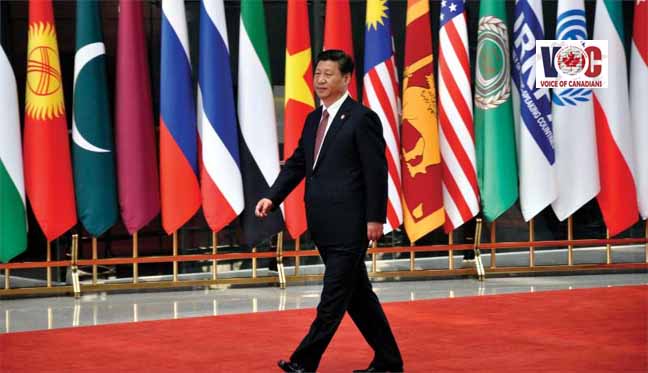
China is in a strong position to facilitate dialogue because of its close relationship with Pakistan and its ongoing engagement with Afghanistan. Moreover, China itself has concerns about terrorism linked to Afghan territory, which enables it to better appreciate Pakistan’s security concerns. If reports are accurate that President Xi Jinping has taken a personal interest in easing tensions between Pakistan and Afghanistan, that could further strengthen the prospects for mediation. Other countries that might ordinarily play such a role, including Saudi Arabia, Qatar, and Türkiye, are currently focused on the conflict in the Middle East.
Given these circumstances, Pakistan would be wise to work closely with China in pursuit of a peaceful understanding with Afghanistan. The central objective should be to secure firm and reliable guarantees from Kabul that Afghan soil will not be used by anti-Pakistan militant groups to carry out attacks against Pakistan. Once that objective is achieved, the foundation could be laid for the restoration of a more normal and constructive bilateral relationship.