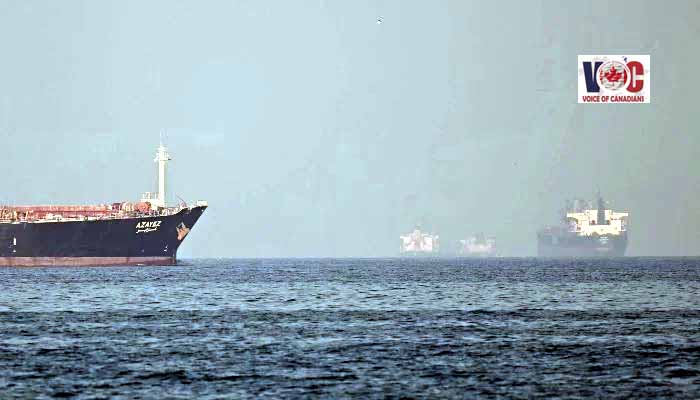
SINGAPORE: Global oil and gas shipping costs have surged sharply, with supertanker rates in the Middle East reaching record highs, as tensions between the United States and Iran escalated following reported Iranian attacks on vessels transiting the Strait of Hormuz, according to shipping data and industry sources on Tuesday.
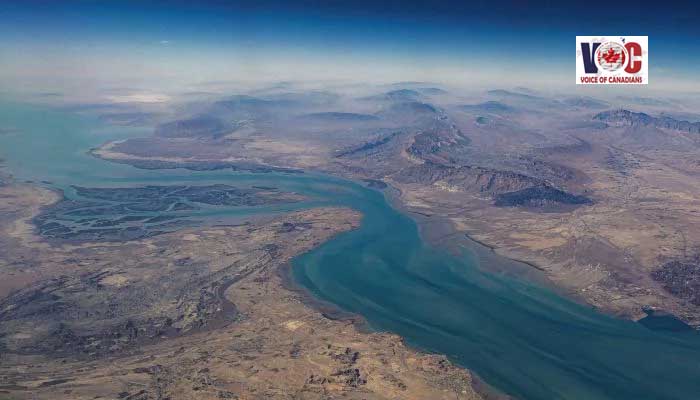
Maritime traffic through the Strait of Hormuz — the narrow waterway between Iran and Oman that facilitates roughly one-fifth of the world’s oil consumption as well as significant volumes of liquefied natural gas — has slowed dramatically. Several vessels operating in the area were reportedly struck as Tehran responded to recent US and Israeli military action.
The disruption, coupled with mounting fears of a prolonged blockade, has rattled global energy markets. Brent crude futures have climbed nearly 10 per cent this week, reflecting concerns over supply interruptions and multiple shutdowns of oil and gas infrastructure across the Middle East.
Freight markets have reacted with particular intensity. The benchmark rate for very large crude carriers (VLCCs) — tankers capable of transporting up to two million barrels of oil from the Gulf to China — surged to an unprecedented level. The TD3 route, a key industry reference for Middle East-to-China shipments, rose to Worldscale 419 on Monday, equivalent to approximately $423,736 per day, according to data from the London Stock Exchange Group (LSEG).
Industry analysts said the spike in rates reflects both immediate operational risks and the broader uncertainty surrounding one of the world’s most strategically vital energy corridors.