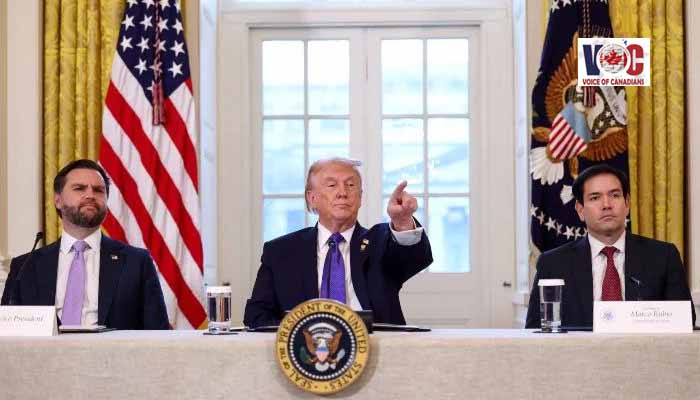
WASHINGTON: The ongoing conflict involving Iran is not only testing US foreign policy but is also shaping internal political dynamics within President Donald Trump’s administration, with Vice President JD Vance and Secretary of State Marco Rubio emerging as key figures.
Both officials are seen as potential successors to Trump and have taken contrasting approaches to the crisis. Vance has maintained a cautious stance, reflecting scepticism toward prolonged US military involvement, while Rubio has strongly supported the administration’s hardline position and has become one of its most vocal defenders.
Reports suggest both leaders are involved in ongoing diplomatic efforts aimed at pressuring Iran over its nuclear and missile programmes, as well as ensuring the free flow of oil through key maritime routes.
With Trump constitutionally barred from seeking another term in 2028, discussions about succession are reportedly gaining attention within political circles. Analysts say the outcome of the current conflict could influence the future political standing of both Vance and Rubio.
A swift resolution to the crisis could strengthen Rubio’s position, while a prolonged conflict may align more closely with Vance’s anti-war messaging.
The White House has dismissed speculation about internal divisions, saying the administration remains focused on its policy objectives.
Meanwhile, Trump’s approval ratings have reportedly declined amid rising fuel prices and growing public concern over the conflict, adding further pressure on the administration as it navigates the crisis.