German scientists have reported a major medical advance by successfully restoring activity in previously preserved brain tissue. Their research describes the use of vitrification, a method designed to preserve delicate brain material without the irreversible damage usually caused by conventional freezing.
Ordinary freezing often leads to the formation of ice crystals, which can damage cell membranes and destroy the neural connections essential for memory, thought, and consciousness. Vitrification avoids this problem by transforming the tissue into a glass-like state, preventing crystal formation and preserving its structure while molecular activity remains suspended.
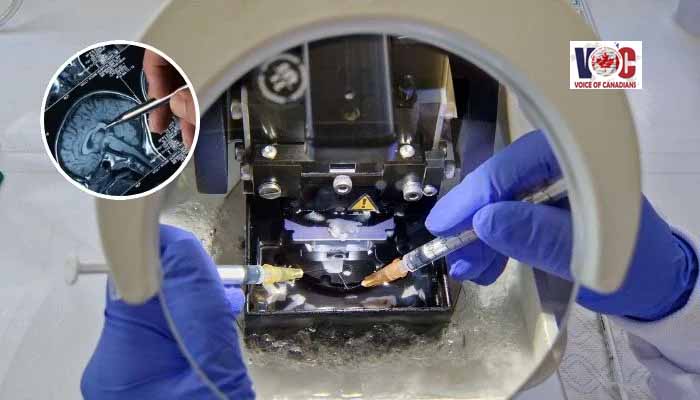
In the study, researchers experimented on thin slices of mouse hippocampus tissue, storing them at minus 196 degrees Celsius in liquid nitrogen for periods ranging from a few minutes to one week. After the tissue was carefully rewarmed, the scientists observed the return of important neural functions, including neuronal activity, metabolism, and plasticity.
This finding could have important implications for medicine. It may offer new possibilities for preserving brain tissue after severe injury or during critical treatments, potentially creating valuable time for medical intervention. It could also contribute to longer-term preservation of donor organs and other complex tissues for future transplantation. Researchers believe such progress brings once-theoretical possibilities closer to practical scientific reality.