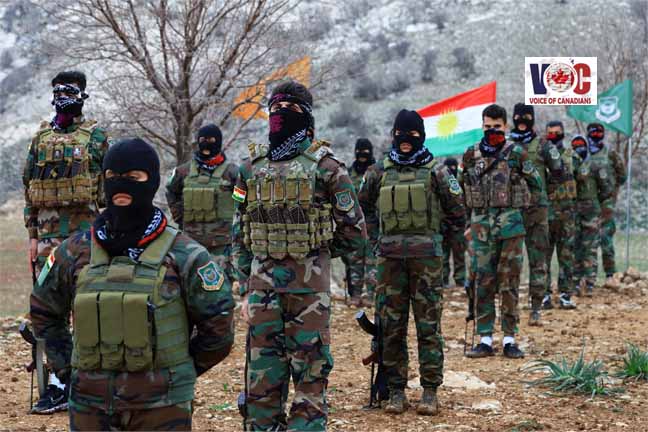
A month into ongoing hostilities involving the United States and its allies against Iran, the conflict has resulted in significant casualties and widespread destruction. Despite the scale of attacks, Iran continues to respond with its own aerial operations, sustaining a prolonged and uneven military confrontation.
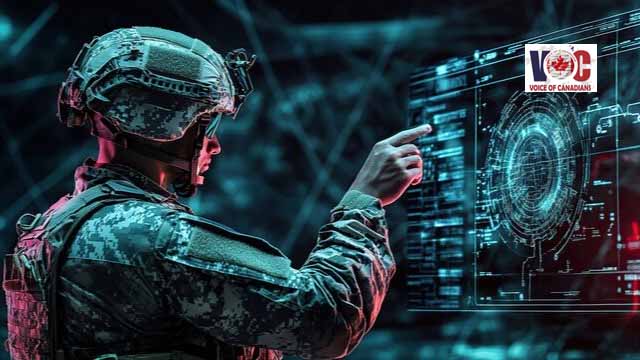
Analysts suggest the situation reflects a broader shift toward technologically driven warfare. Reports indicate that advanced artificial intelligence systems have been used in military operations, highlighting the growing role of digital tools in modern combat.
Recent conflicts in South Asia have also demonstrated the increasing use of drones and surveillance technologies, alongside heightened public engagement on social media platforms. Experts note that online narratives and digital activity are playing a growing role in shaping public perception during times of conflict.
In Pakistan, a recent incident involving the interception of an unmanned aerial device near Islamabad further intensified regional tensions and public reaction.
Observers warn that alongside physical warfare, information manipulation and digital propaganda are becoming key elements of modern conflicts. Social media platforms, in particular, are seen as amplifying both accurate and misleading content, complicating efforts to understand unfolding events.
The expanding use of artificial intelligence, drones, and digital media in conflict zones worldwide — including regions such as Africa and the Middle East — has raised concerns about the future of warfare. Experts caution that the blending of technology and combat may increase risks for civilian populations and further blur the line between reality and digital narratives.
The situation underscores the urgent need for greater awareness of how technology is transforming global conflicts and influencing public opinion.