A high-risk US special forces rescue mission inside Iran ended in success after mechanical failures nearly left American troops stranded behind enemy lines, according to officials.
The operation involved roughly 100 US special operations personnel who had entered rugged terrain south of Tehran to extract a stranded American airman. The mission initially went smoothly, with the injured airman located and moved toward a planned extraction point under cover of darkness.
However, the situation escalated when two MC-130 aircraft used to transport troops suffered mechanical failures and became unable to take off. With elite forces suddenly at risk of being trapped inside hostile territory, commanders ordered additional aircraft into Iran to carry out an emergency staged evacuation.
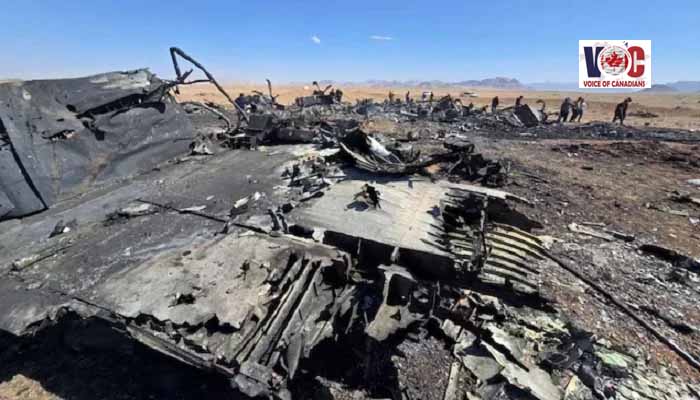
Officials said the evacuation was completed in waves over tense hours, while US forces destroyed the disabled aircraft and several helicopters on the ground to prevent sensitive equipment from being captured.
The rescued airman, a weapons specialist from a downed F-15E fighter jet, had reportedly ejected over Iran after his aircraft was hit. The pilot from the same jet was rescued earlier, while the second crew member survived alone in difficult terrain, sustaining injuries including a sprained ankle before contacting US forces and confirming his identity.
US officials said deception tactics were used during the mission, including efforts to mislead Iranian forces about the location and timing of the rescue. Electronic jamming and strikes on nearby roads were also carried out to limit movement in the area and protect the extraction force.
During the broader operation, US aircraft reportedly faced hostile fire, with additional incidents involving damaged aircraft during related search efforts.
The mission, which remained largely undisclosed in real time, was later described by officials as one of the most dangerous rescue operations in recent US military history.