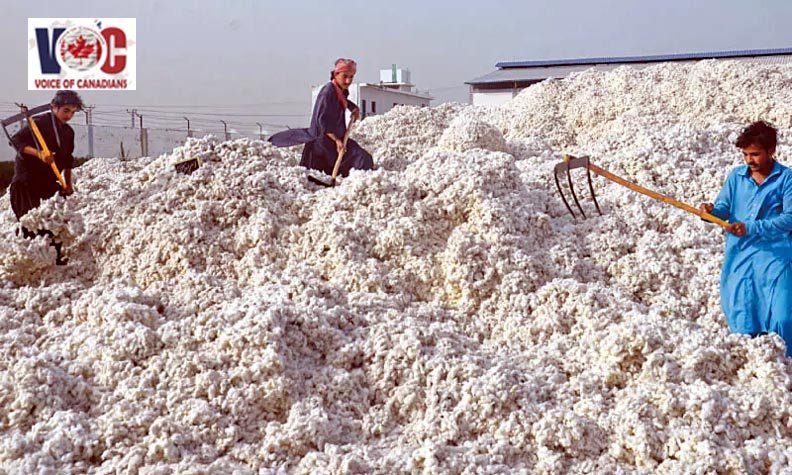
A small farmer, Mohammad Siddique Channa from Balochistan’s Lasbela district, seems contented since switching to organic cotton cultivation under organic agriculture (OA) practices. He now grows cotton on 15 acres of his land, making him one of many organic-certified cotton growers in Balochistan.
He explains that OA practices in cotton cultivation reduced the expenses he used to incur on farm inputs, including urea and DAP, pesticides, non-genetically modified organism (GMO) seed, and insecticides, when he was associated with conventional agriculture methods. After starting organic cotton cultivation on two acres seven to eight years ago, he increased it to 15 acres with support from the Balochistan government and textile millers, who provided seed and other inputs.
“I think we can bring considerable acreage in Balochistan for vegetables, fruits and other major crops under OA. Our land is still virgin while soil in Sindh and Punjab face degradation, but we do depend mostly on rain-fed irrigation, “ he said. His friend, Munir Roonjho, in the district’s Bela taluka, shared the same story, saying organic cotton cultivation has reduced his input costs from Rs50,000 to Rs60,000 an acre, as OA does not use fertilisers, pesticides, and GMO seeds.