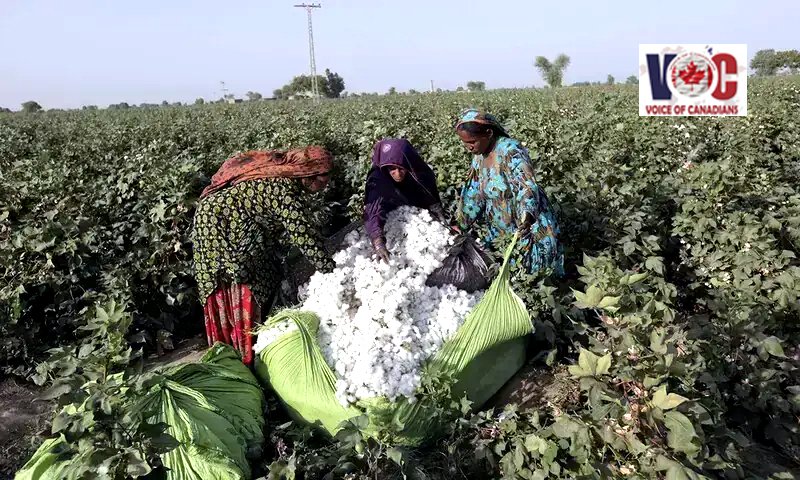
LAHORE: Despite adverse weather and a nationwide strike by goods and oil transporters that threatened to cripple supply chains, the country has recorded an unexpected 25 per cent surge in total phutti (seed-cotton) arrivals so far this season.
According to the latest fortnightly report released by the Pakistan Cotton Ginners Association (PCGA) on Tuesday, ginning factories across the country received 1.114 million bales by Aug 15. The increase was largely driven by Sindh, which posted a 42pc surge to reach 734,000 bales, while Punjab registered a 3pc rise to 379,000 bales.
Despite the bumper numbers, the sector faces sharp data discrepancies and growing fiscal challenges. Cotton Ginners Forum Chairman Ihsanul Haq pointed out an inexplicable gap between reporting bodies, as the Punjab government’s Crop Reporting Services declared cotton production at 585,000 bales as of Aug 13 — nearly 35pc higher than the PCGA’s tally. The situation is further complicated by the movement of 60,000 to 70,000 bales of cotton and lint from Sindh into Punjab, driven by higher price realisations in Punjab markets, which masks the true extent of the province’s local output decline.
Heavy taxation is also threatening market transparency. Industry representatives estimate that nearly 100,000 bales have already been sold through undocumented channels due to heavy sales taxes on ginning factories. Stakeholders caution that if tax rates are not adjusted, undocumented trading could rise to between 1.5 and 2 million bales this season, causing massive losses to the national exchequer.Sindh cotton production surges to 734,000 bales; Punjab at 379,000
Regional performance reveals stark disparities across the cotton belt. Sanghar district in Sindh emerged as the power centre of current production, yielding 551,000 bales — equal to 75pc of Sindh’s output and half of the country’s entire cotton arrival. Conversely, Rahim Yar Khan, traditionally a major cotton hub in Punjab, recorded negligible arrivals of just 1,637 bales across two partially functioning factories.
Industry experts attribute this shift to the rapid proliferation of sugar mills in core cotton zones, where financial incentives for sugarcane farming have systematically pushed farmers away from cotton cultivation.
This structural shift carries severe macroeconomic consequences, forcing the country to spend between $6 and $7 billion annually on importing raw cotton and edible oil.
Of the current total arrivals, textile mills have procured 951,000 bales, and exporters have acquired 13,000 bales, leaving 163,000 bales unsold across 112 operational factories in Punjab and 156 in Sindh.
With cotton arrivals projected to rise significantly in the upcoming Aug 16-31 fortnight, experts warn of potential downward pressure on phutti and lint prices, prompting calls for immediate government intervention to protect cotton acreage from sugarcane encroachment.