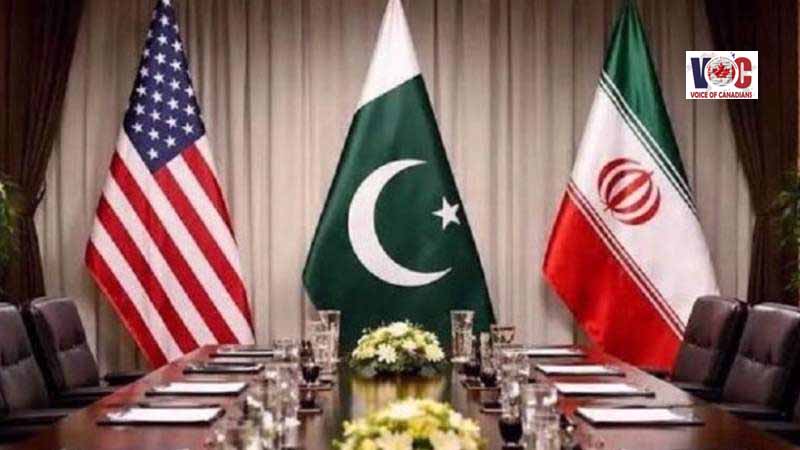
Global attention is centered on Islamabad as Pakistan hosts key talks between the United States and Iran, aiming to extend a fragile two-week truce into a more durable peace. While deep mistrust between the two sides continues to cast uncertainty, there is cautious optimism that dialogue may prevent further escalation and economic disruption.
Tight security measures have been enforced in Islamabad and Rawalpindi due to the high-level nature of the negotiations. Senior representatives from both countries are participating in efforts to explore a path toward ending hostilities.
Pakistan’s role in bringing both sides to the table is being seen as a significant diplomatic achievement. However, translating dialogue into concrete outcomes remains a complex and challenging task. Progress may be slow, and differences over key issues could hinder immediate results, especially amid ongoing regional tensions.
Mistrust remains a major obstacle, shaped by past conflicts and failed engagements. There are also concerns that external factors could disrupt the process, creating further complications for negotiators.
Some areas of potential agreement include easing economic restrictions and addressing the consequences of recent conflicts. However, more sensitive matters, such as regional military presence and nuclear concerns, are expected to be difficult to resolve.
Despite these challenges, there is growing recognition that continued conflict carries heavy costs. A peaceful resolution is seen as essential to ensure stability in the region, with emphasis on dialogue, mutual respect, and adherence to international principles.