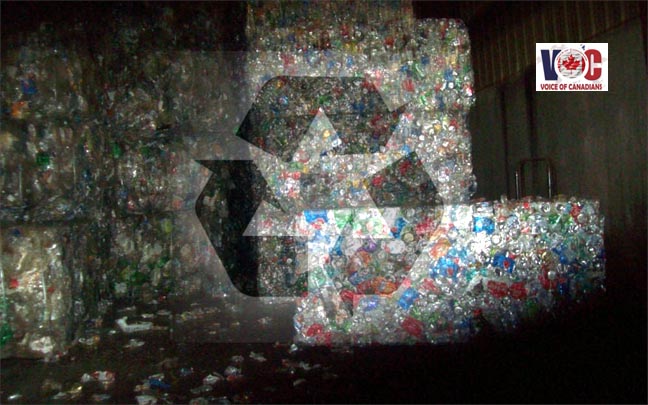
PLASTIC is everywhere — in our homes, our food, our water and even our bodies. For years, we have been told that this problem can be managed if people recycle carefully. But, as former US environmental official Judith Enck argues in her new book The Problem with Plastics, that belief is misleading. The idea that plastic recycling can solve the pollution crisis is an illusion, promoted while plastic production rises unchecked. In reality, only a small share of plastic is ever recycled. Most is dumped in landfills, burned in the open or carried by rivers into the sea. Unlike glass or metal, plastic comes in thousands of varieties, making it costly and difficult to recycle at scale. New claims about ‘chemical recycling’ have been presented as breakthroughs, but these facilities handle only tiny amounts of waste and often turn plastic into fuel, adding to pollution. Pakistan is living with the consequences of this failure every day. Single-use plastic packaging dominates markets and shops, while waste collection systems remain weak. Plastic bags clog drains, worsen flooding during rains and contaminate rivers. Much of what is collected is handled by informal waste pickers working without protection, regulation or support. Their efforts help, but they cannot manage a problem of this size. Government action has been uneven. Plastic bag bans have been announced in several provinces, yet enforcement is poor and cheap alternatives are scarce. At the same time, plastic remains inexpensive to produce, encouraging continued use by manufacturers and retailers. As elsewhere in the world, responsibility is quietly shifted to consumers, even though their choices are limited.
What is required is a change in direction. Recycling alone will not work if plastic production keeps growing. Governments worldwide must reduce plastic at its source by limiting new plastic production, banning unnecessary single-use items and making producers responsible for the waste their products create. Deposit schemes, clear labelling for use and penalties for excessive packaging should become standard. In Pakistan, authorities must strengthen waste segregation, regulate burning and incineration, and support affordable, locally made alternatives to plastic. Public awareness campaigns are important, but they cannot replace firm regulation. Plastic pollution is not a problem of careless consumers. It is a policy failure and one that will only deepen unless governments stop treating recycling as a cure-all and start confronting production itself.